Florida has long been a magnet for out-of-state buyers, whether you’re relocating full-time, chasing warmer winters, or scouting a future retirement spot. But buying sight-unseen, or with only a handful of trips down, comes with a few wrinkles that in-state buyers don’t have to think about as much. Understanding these upfront can save you from a stressful surprise mid-transaction.
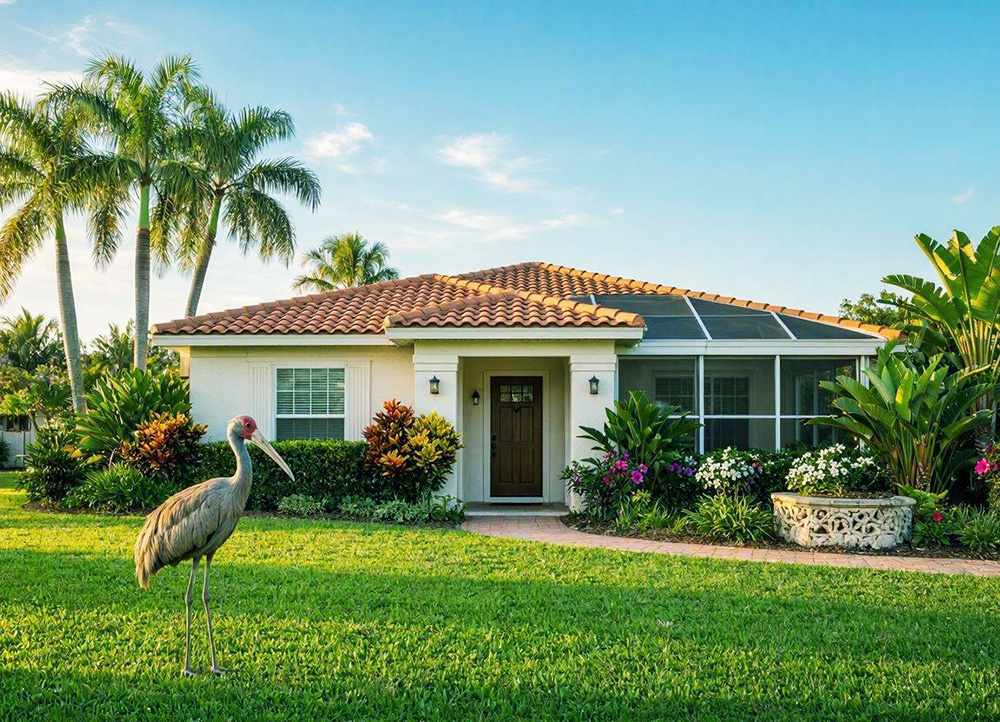
The single biggest issue to get ahead of is insurance and property condition, especially anything related to the roof and flood risk. Florida’s property insurance market has tightened significantly, and a home’s insurability can make or break your financing timeline. Before you get too attached to a listing, ask your agent for the home’s insurance history, roof age, and whether it’s in a flood zone, FEMA flood maps are public and worth checking independently. It’s also worth budgeting for a wind mitigation and four-point inspection early, since many insurers require them and the results directly affect your premium. Buyers coming from states with milder insurance markets are often caught off guard by how much this one factor shapes both cost and negotiating leverage.
Because you likely can’t be on the ground for every step, lean on a local team you trust rather than trying to manage the transaction remotely on your own. A Florida-licensed agent who works regularly with relocating or out-of-state buyers will know how to schedule virtual walkthroughs, coordinate inspections while you’re not there, and flag neighborhood-specific issues, HOA rules, CDD (Community Development District) fees, or seasonal flooding patterns, that don’t always show up in listing photos. The same goes for a local real estate attorney or title company; Florida closings can involve nuances (like documentary stamp taxes and title insurance customs) that vary from what you’re used to elsewhere, so having someone local who does this daily is worth the peace of mind.
Finally, think about timing and how you’ll use the property, since it affects both your search and your budget. If you’re buying a seasonal or vacation home, consider proximity to an airport with direct flights back to where you currently live, and factor in property management costs if the home will sit empty part of the year. If you’re planning to eventually establish Florida residency, note that doing so can unlock meaningful benefits, no state income tax and homestead exemption protections among them, but has its own requirements around timing and documentation. Whether you’re buying now for later or making an immediate move, doing your research on the front end pays off far more than trying to course-correct after closing.