Maximizing your opportunity to sell your home is important in today’s market. Don’t forget about the way music can influence a person’s mood when they are in your home. Florida Realtors has put together the infographic below with some ideas to have your home sound just right.
Mortgage interest rates rose materially over the past 30 days. As of this week, the average U.S. rate for a 30‑year fixed mortgage is 7.4%, compared with 6.71% a month ago. That’s a jump of about $46 per $100,000 borrowed in monthly payments. We are getting closer to the long-term average rate of 7.68% than we have been in recent memory.
Relative to the long‑term average of 7.68%, today’s rates still offer some savings, roughly $19 less per month for every $100,000 borrowed. Rates are significantly higher than they were a year ago. Over the past 12 months, the average monthly payment on a $100,000 30‑year fixed mortgage has increased by about $80. For a borrower taking out the 2026 maximum conventional loan of $832,750, today’s payment would be approximately $680 more than it would have been in October 2025.
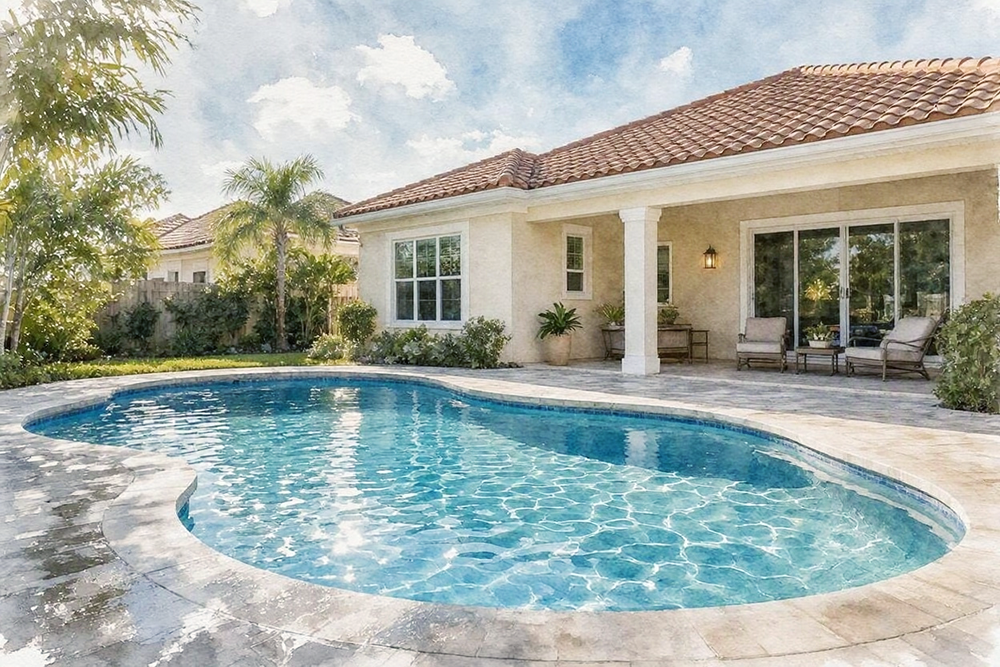
A backyard pool can feel like a private vacation spot, and in warm climates it’s often near the top of buyers’ wish lists. But a pool is also one of the biggest ongoing responsibilities a homeowner can take on. Whether you’re buying a home with a pool, thinking about adding one, or getting ready to sell, it helps to know what comes with the territory before you dive in.
Florida Realtors has put together the infographic below to help you understand the costs of buying your next home. While the mortgage payment tends to be a big expense, its not the only one.
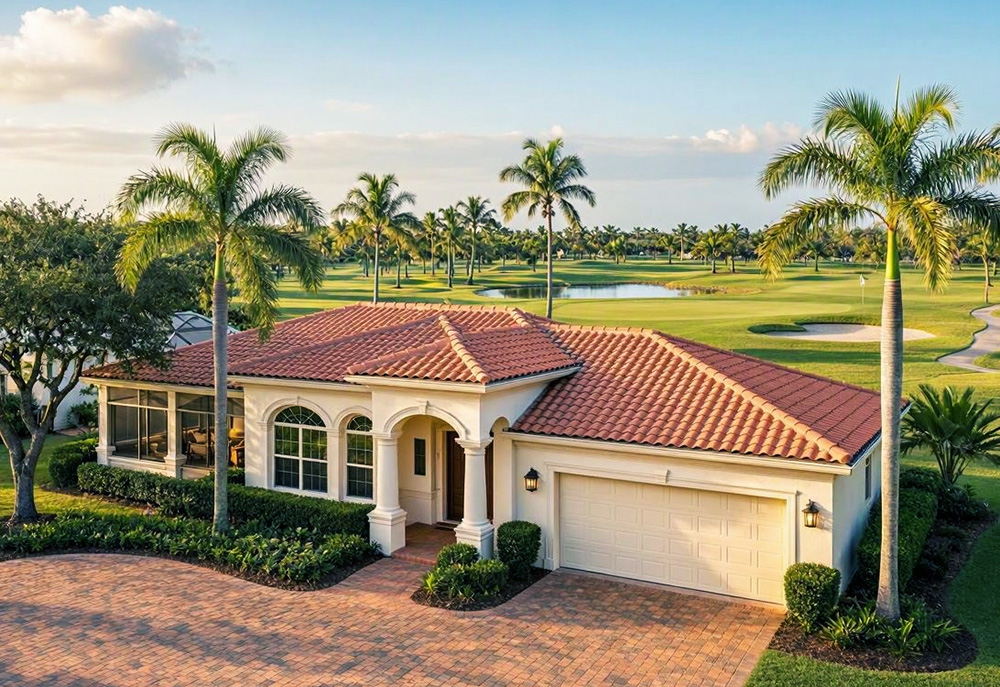
Few things say “Florida living” like a home overlooking a lush fairway, but a golf course community comes with its own costs and rules. Before you fall for the view, ask for a complete breakdown of what you’ll pay each year. Many Florida golf communities have HOA dues, and some also have Community Development District (CDD) assessments that appear on your property tax bill. On top of that, some communities require a club membership, whether or not you play. Find out whether the membership is mandatory, what the initiation fees are, and whether dues have gone up in recent years. It’s also worth checking on the course itself. In Florida, some courses have closed or been redeveloped, which can change a neighborhood’s character and property values. Reviewing the HOA’s or club’s financial statements, reserves and meeting minutes can tell you how secure the course’s future is.